
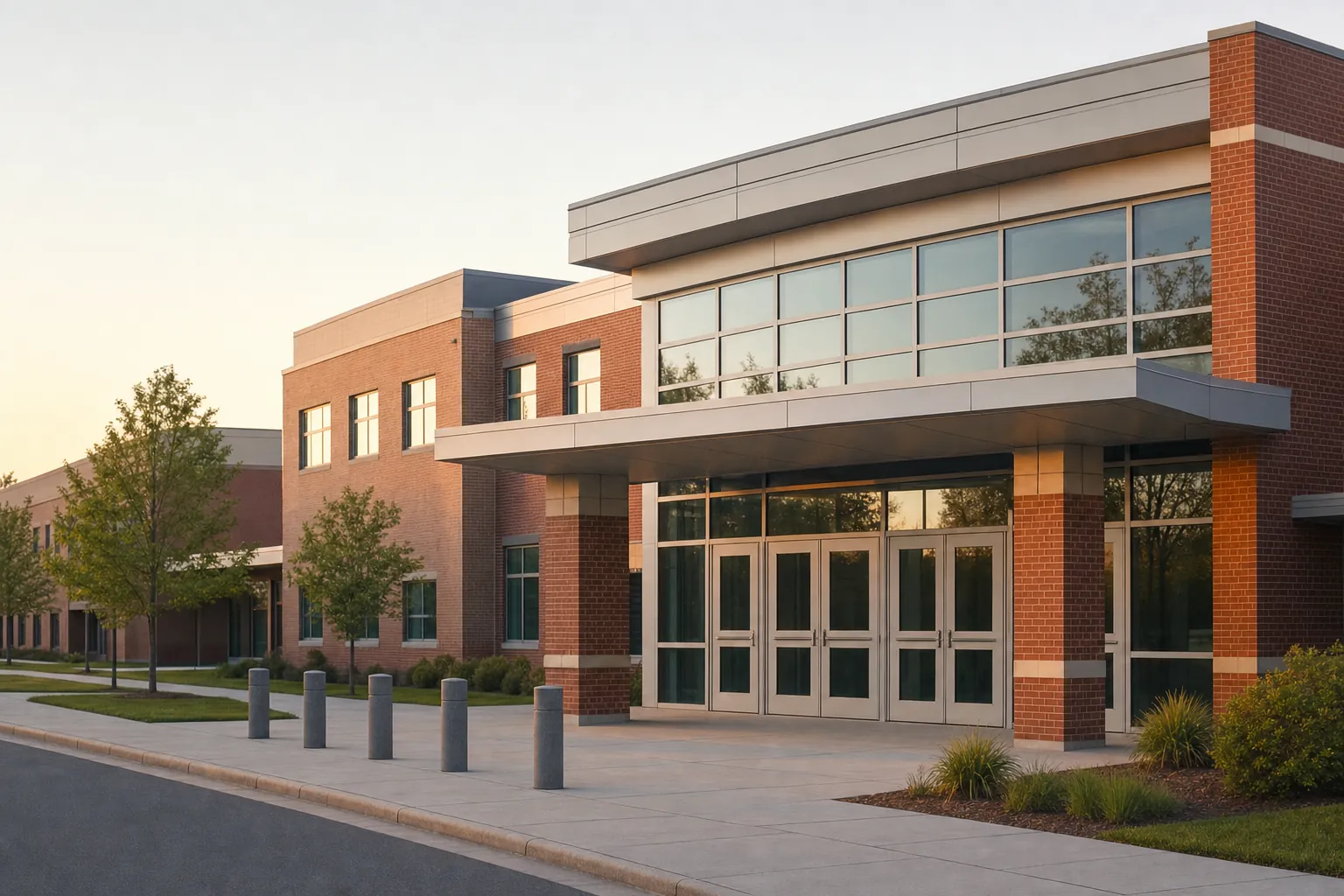
School safety measures are often discussed as a list of equipment, rules, or drills. Those tools matter, but a safe school is not a collection of separate purchases. It is a working system: people know one another, adults understand their roles, communication is dependable, and the plan can hold up on an ordinary Tuesday as well as a difficult day.
That perspective protects something essential. Students need to feel safe enough to learn, ask for help, take healthy risks, and belong. Staff need routines that reduce uncertainty rather than add another binder to manage. Families need confidence that the school is prepared without being needlessly alarmed. The strongest approach balances prevention, preparedness, response, and recovery while keeping the learning environment human.
Start with the risks your school actually faces
There is no single school safety checklist that works equally well for every campus. A rural elementary school, an urban high school, and a shared community facility have different layouts, traffic patterns, resources, and local partners. Begin with a clear picture of the school day: how visitors arrive, where students gather, who is present after hours, which spaces are hard to supervise, and where information can get stuck.
The U.S. Department of Education’s emergency planning guidance centers high-quality Emergency Operations Plans on collaboration, regular review, training, and recovery. That is a useful standard because it moves the conversation beyond a single threat. A plan should address the hazards and needs most relevant to the school, not copy someone else’s template and call the work done.
- Walk the campus during arrival, dismissal, lunch, transitions, and events.
- Ask staff where procedures feel clear and where they have to improvise.
- Include students and families in ways that are age-appropriate and respectful.
- Bring in district leaders, first responders, mental-health partners, and facilities staff early.
Build a plan people can use under pressure
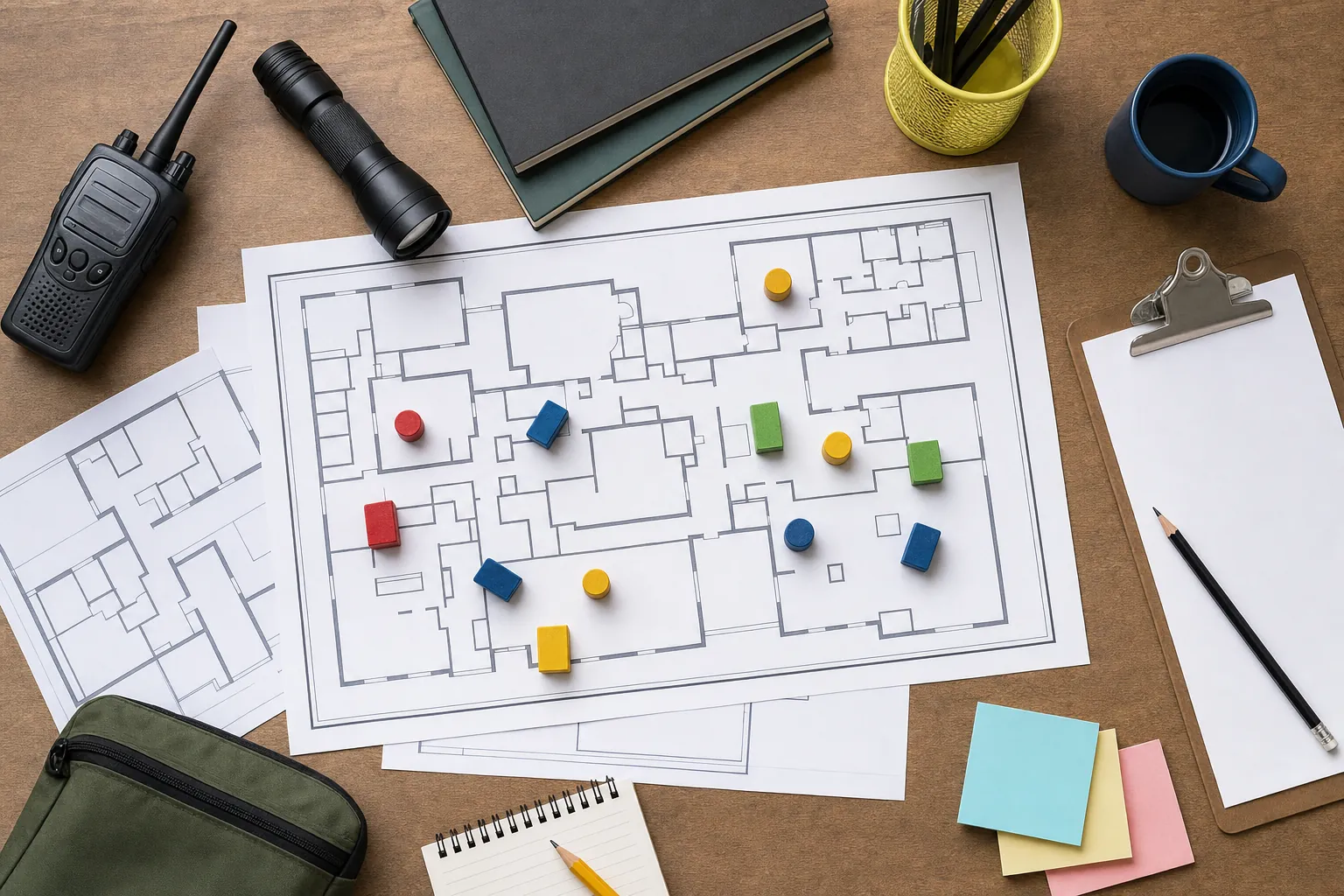
A plan is only useful when it tells the right people what to do next. That means clear decision roles, reliable ways to communicate, and procedures written in language staff can follow without stopping to translate. It also means designing for continuity: how to account for people, communicate with families, support students, and resume learning after an incident.
Federal guidance for K–12 emergency planning uses a six-step process that brings the planning team together, identifies threats and hazards, sets goals, develops the plan, prepares to implement it, and reviews it over time. The exact document can be tailored locally, but the discipline behind it matters. A rushed plan typically lists actions. A durable plan also identifies ownership, training needs, decision points, and what success looks like.
Keep the main plan concise enough to use. Supporting checklists can hold detail, but every adult should be able to answer basic questions: Who leads? How will we communicate? Where do students go? How do we account for everyone? What happens after the immediate emergency?
Make access, communication, and supervision work together
Physical security is strongest when it supports good people and good routines. Locked doors without clear arrival procedures create frustration. Cameras without active supervision create a false sense of coverage. A visitor process works when staff know how to greet, verify, direct, and escalate concerns without turning every interaction into a confrontation.
Focus on simple, observable practices: maintained entry points, consistent visitor expectations, working radios or communication tools, visible adults during high-traffic periods, and a process for reporting concerns. The goal is not to make a school feel like a fortress. It is to make it easier for the right people to notice what needs attention and respond in a coordinated way.
When reviewing entrances and outdoor areas, the Positive Behavioral Interventions and Supports Center’s guidance on physical safety measures is a useful reminder to consider how procedures affect different students and families. A measure that is technically sound but inconsistently applied or experienced as arbitrary can weaken trust, which is itself a safety concern.
Design for the ordinary moments, not only the emergency
Most safety decisions happen in the quiet spaces between big events. Arrival, dismissal, passing periods, recess, bus loading, athletic events, and after-school programs all create handoffs between people and places. The best routines make those handoffs visible. They clarify who is responsible, what information needs to be shared, and how an adult gets help before a concern becomes a crisis.
Walk through a normal day with the people who experience it. A principal may see the main entrance working well at 8:00 a.m. A paraprofessional may see a hallway that becomes unsupervised at 2:45 p.m. A bus driver may know that a late route changes which students are waiting outside. Students can point out places where they feel unseen, crowded, or unsure of where to go. Each perspective is part of the safety picture.
Look for routines that depend on one specific person being present, rely on memory rather than a shared process, or fall apart when a substitute is working. Those are not reasons to blame staff. They are practical signals that the system needs a clearer backup. A well-designed routine should help a new adult understand the next step without guessing.
Practice without creating more fear
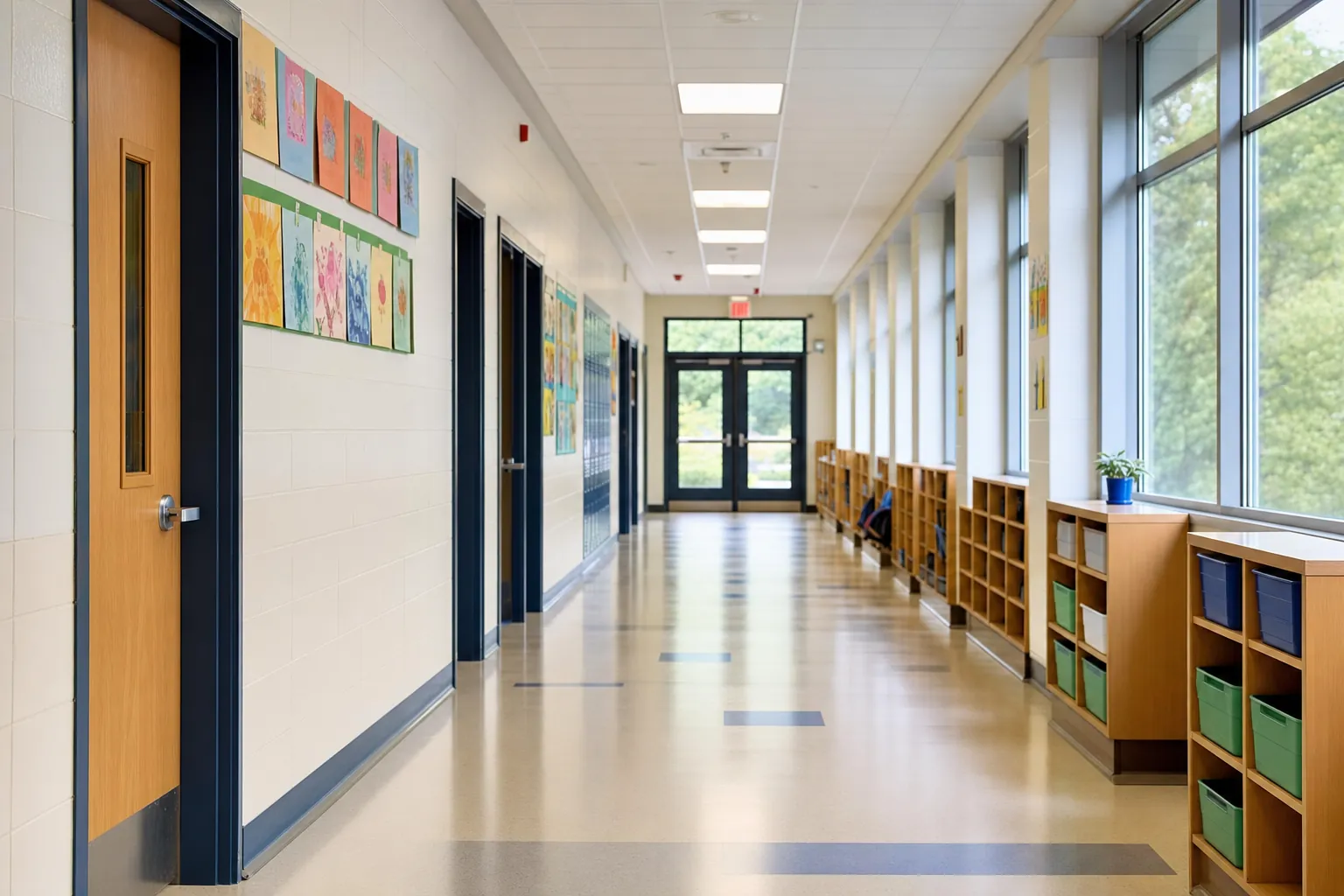
Drills are not proof of readiness because a drill happened. They are a chance to learn. Before a drill, make sure the purpose is clear, the scenario is appropriate for the age group, and staff know what feedback is being collected. Afterward, create space for honest observations. What worked? What was confusing? Which assumptions did the exercise expose?
Useful practice is calm, brief, and specific. It strengthens muscle memory without turning anxiety into the lesson. Schools should also make room for students and staff who may have trauma-related concerns. A plan that protects physical safety while disregarding emotional safety is incomplete.
Try these questions after every exercise:
- Did adults receive the information they needed in time?
- Could someone new to the building follow the procedure?
- Were students accounted for in a way that was practical?
- Did the response preserve dignity and accessibility for everyone involved?
- What one change should be made before the next drill?
Treat connection as a core safety measure
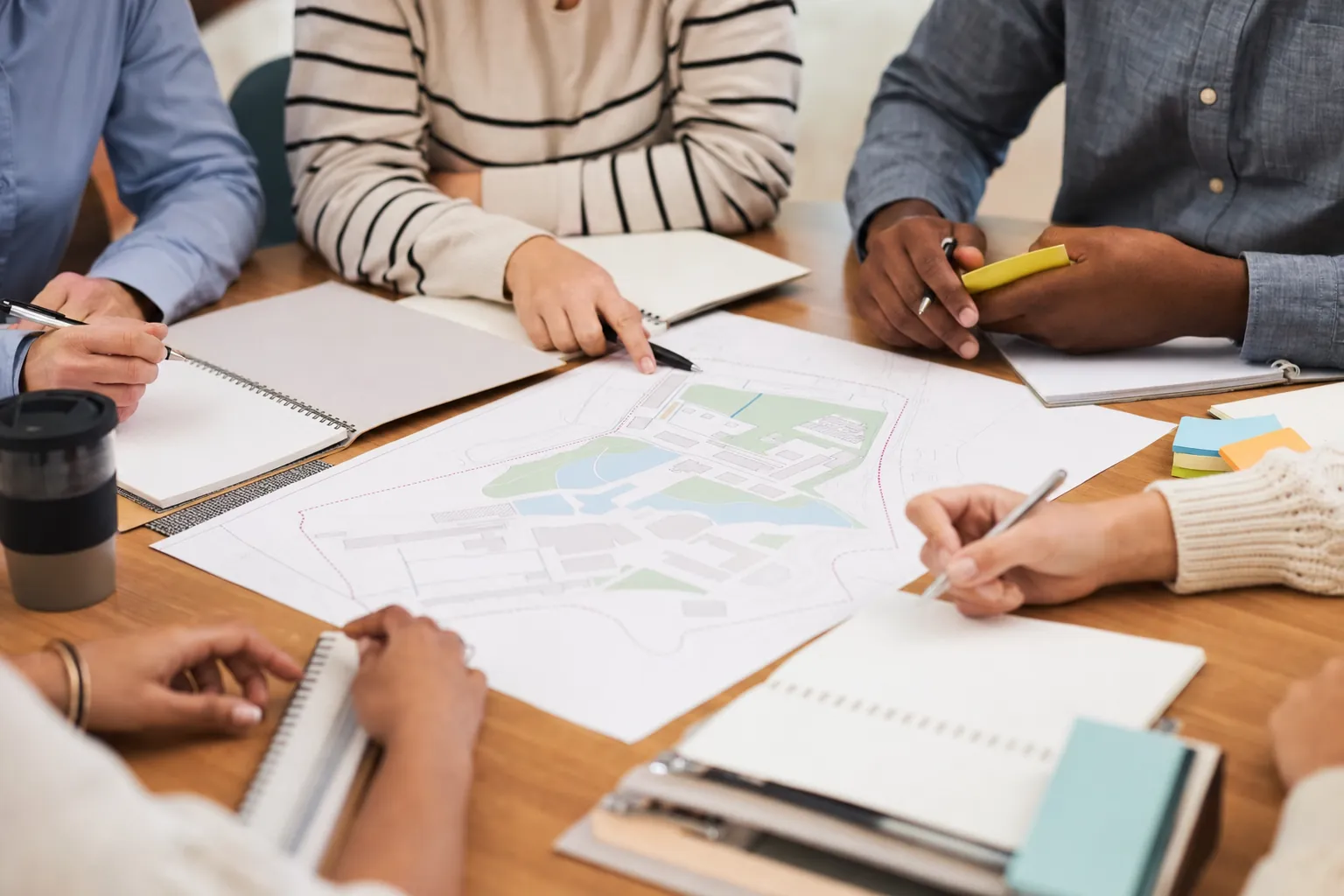
Students are more likely to share concerns when they believe adults will listen and respond fairly. That is why a safety plan needs more than procedures; it needs relationships. The Centers for Disease Control and Prevention describes school connectedness as students’ belief that adults and peers care about their learning and about them as individuals. The agency links that sense of connection to lasting health and well-being.
For school leaders, this turns safety from a separate department into a daily leadership practice. It shows up in how staff greet students, how conflicts are handled, how concerns are reported, and whether students see adults keep their word. No security measure replaces trusted relationships. At the same time, relationships are stronger when the school has clear structures to support them.
Give families and partners a clear role
Families do not need every operational detail, but they do need clear expectations and a reliable way to receive information. Tell them how visitors enter, what the school asks them to do during arrival and dismissal, where to find emergency information, and how the school will communicate during an incident. Plain language matters. So does consistency. When one message comes from the school office, another from a classroom, and a third from social media, uncertainty grows fast.
Local partners should be part of the work before a crisis. First responders, transportation teams, facilities staff, counselors, youth-serving organizations, and district leaders each see a different part of the system. A planning group does not need to be huge to be representative. It needs to include the people who can identify blind spots, make decisions, and carry the plan into daily practice.
Use meetings to settle the questions that are difficult to answer in the moment: Who communicates with families? How are community programs notified? What information can be shared? Which partners need building access or updated maps? When the roles are agreed upon in advance, the response can be more coordinated and more respectful.
Use a simple review scorecard
Improvement becomes easier when leaders can see it. Rather than asking whether the whole plan is “good,” review a few concrete measures after drills and during the year. The scorecard should be simple enough that teams will use it and specific enough to point toward an action.
- Clarity: Can staff and students explain what they are expected to do?
- Reliability: Do the doors, radios, contact lists, and alerting tools work when tested?
- Coverage: Are high-traffic times and locations actively supervised?
- Access: Can people with disabilities, language needs, or different transportation arrangements follow the plan?
- Trust: Do students and families know where to raise concerns and believe someone will respond?
- Recovery: Does the school know how it will support people and return to learning after a disruption?
Choose one or two improvements, assign an owner, and set a date to check progress. A plan gets stronger through follow-through, not through adding more pages. The purpose of measurement is not to create a compliance exercise. It is to make sure the school is doing what it said it would do for the people in its care.
Review the plan after the moment passes
A school changes constantly. New staff arrive, buildings are renovated, students move through different routines, and local risks evolve. Review the plan at least once a year, then revisit it after a drill, an incident, a major event, or a change in operations. Invite honest feedback from the people who had to carry out the work.
Look for the small breakdowns that can become big ones: outdated contact lists, unclear substitute-teacher instructions, equipment that has not been tested, family messages that create confusion, or a recovery process no one has practiced. Improvement does not require a dramatic overhaul every time. It requires consistent attention.
How Dr. Spells helps schools move from concern to readiness
Dr. Spells brings experience in education, public safety, law, and policy to school-safety conversations that need both candor and care. His A Necessary Evil: School Safety program helps leaders examine safety as the foundation that makes learning possible, rather than an interruption to it. The related book and learning experience can support teams looking for a practical, research-informed starting point.
For a tailored conversation with leadership teams, staff, or community partners, explore coaching and consulting support, learn more about Dr. Spells’ background, or start a booking conversation.
Frequently Asked Questions
Questions leaders ask when the stakes are real.
What are the most important school safety measures?
The most important measures are the ones a school can clearly explain, practice, and improve. That usually means a current emergency operations plan, reliable communication, controlled visitor access, trained adults, supportive student relationships, and routines that are tested without becoming performative.
Should school safety focus on physical security or school climate?
Both matter. Physical safeguards and clear procedures reduce confusion during a crisis, while a strong climate helps adults notice concerns early and gives students trusted people to approach. Treating either one as a substitute for the other leaves gaps.
How often should a school safety plan be reviewed?
Review it at least annually and after any drill, incident, major building change, staffing shift, or new local guidance. A plan on a shelf is not readiness. The people who must carry it out should understand their roles and have a chance to improve it.
Related reading
Keep the work moving.
How to Build a School Safety Plan That Works
A step-by-step guide for school leaders building a safety plan people can understand, practice, and improve.
Read the guide
A School Safety Checklist for the Work That Matters
A practical school safety checklist for reviewing routines, communication, access, connection, and follow-through.
Read the guide
How to Conduct a School Safety Audit
A practical school safety audit process for reviewing routines, spaces, communication, and follow-through.
Read the guide