A school safety audit is not a hunt for flaws or a list of equipment to buy. It is a disciplined way to see how a school actually works, where people have clarity, and where a small gap could become a harder problem under pressure.
The most useful audit starts with the ordinary day. It asks what happens at the front door, in busy hallways, during dismissal, when a substitute arrives, when a concern is raised, and when a family needs an answer. A school can have a formal plan and still discover that a handoff, message, or backup is unclear in practice. The audit makes those conditions visible before a difficult moment does.
Use this guide alongside the district's formal emergency operations plan and local requirements. The goal is not to produce a thicker binder. It is to identify the next practical improvements that help students, staff, and families experience a more predictable, connected learning environment.
What a school safety and security audit should cover
Some teams call this a school safety and security audit. The name matters less than the scope: review the daily routines, physical spaces, communication, decision roles, reporting pathways, and supports that help people respond well. A building can have strong locks and still need a clearer visitor handoff, a reliable family-message process, or better support for the people carrying out a routine.
Keep the review balanced. Look at what people can see and use, such as entrances, supervision, access, and communication tools, alongside the human systems that make those safeguards dependable: clear ownership, trained adults, accessible information, trusted reporting, and follow-through. That fuller view gives leaders practical choices instead of a list of disconnected concerns.
Start with a clear purpose
Before walking the building or reviewing documents, agree on what the audit is meant to answer. A school may be preparing for a new year, checking a new visitor process, responding to a recent concern, or reviewing routines after a building or staffing change. Those are different starting points, but they share one need: a clear question that keeps the review from turning into a vague conversation about “safety.”
The U.S. Department of Education's emergency planning guidance emphasizes collaboration, local context, implementation, and regular review. That is a useful frame for an audit. The work should be grounded in the people, spaces, routines, and responsibilities that are real for this school, rather than borrowed from a generic template.
Write one or two review questions before the process begins. For example: Can every adult explain the visitor process? Are arrival and dismissal supervised in a way that holds when routines change? Do students and families know how to raise a concern and what response they can expect? Good questions make it easier to notice evidence instead of collecting impressions.
Build the right review team
A principal cannot see every part of a school day, and neither can a single safety professional. Bring together people who carry different pieces of the work: school and district leaders, front-office staff, teachers, counselors, support staff, facilities and transportation teams, and after-school leaders. Include local public-safety or emergency partners when their role is real and constructive.
Each person sees a different set of handoffs. A front-office team member may understand how visitor expectations change after the first bell. A paraprofessional may know where supervision thins out during transitions. A bus driver may see what happens when a route runs late. A counselor may hear concerns that never reach an incident report. The audit becomes more accurate when it draws on those lived details without treating any one person as the problem.
Student and family perspective can be valuable, too. Their participation should be thoughtful and appropriate, focused on the routines they experience, how they receive information, and whether they know where to turn. A review is stronger when it considers the people most affected by the system, not only the people who wrote it.

Walk the campus at the moments that matter
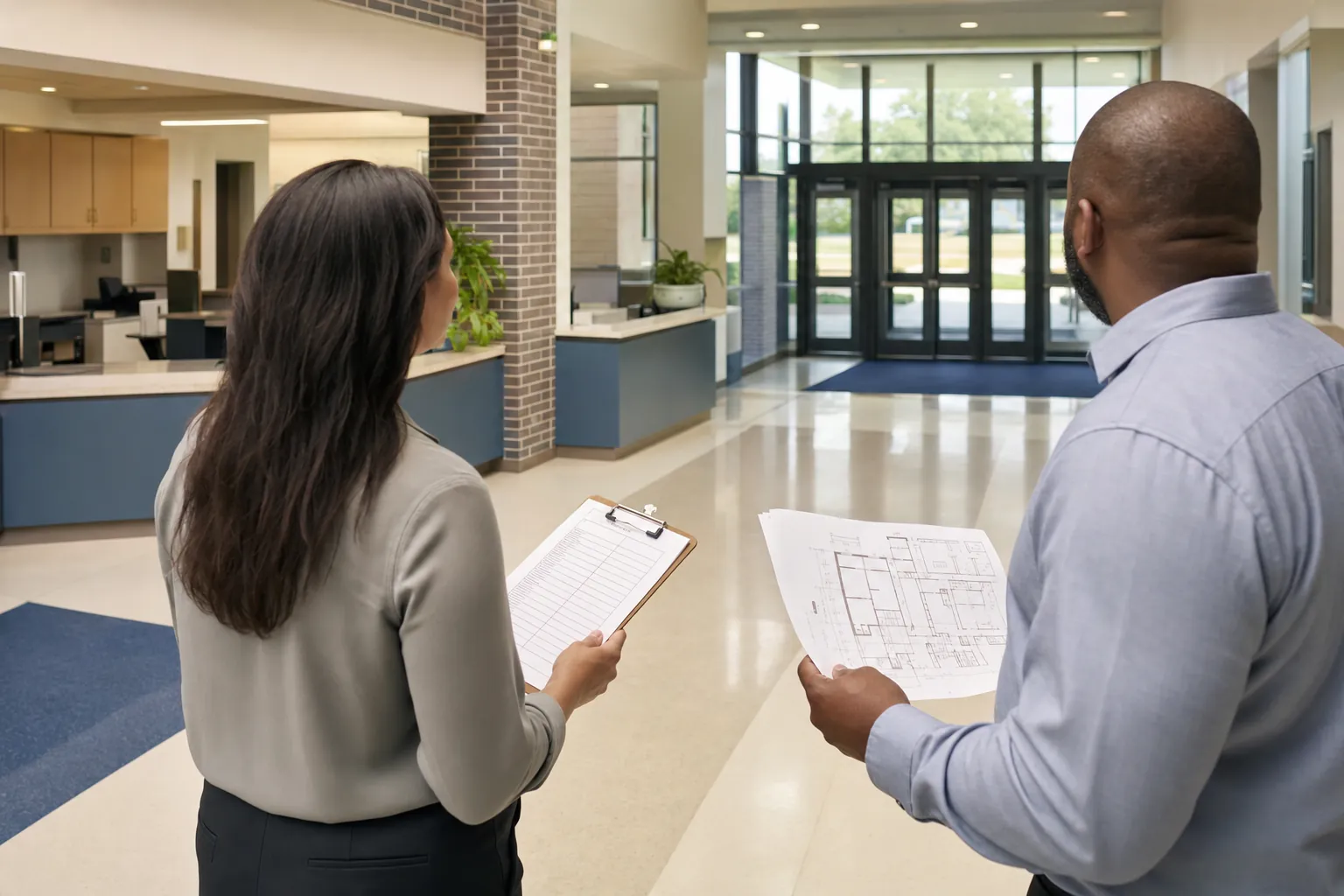
An audit done only from a conference table will miss the rhythm of a live building. Walk the campus during arrival, class changes, lunch, recess, dismissal, visitor entry, athletic events, and after-school activities. Notice where adults are visible, where people enter, where lines form, where a message could get delayed, and where a procedure depends on one person knowing exactly what to do.
Look for the normal exceptions. What happens when a family member arrives during dismissal? When a substitute needs to find a class? When a delivery comes to a side entrance? When a student needs help in a space that is usually quiet? A routine does not have to be complicated to be fragile. If it only works when every expected person is present and every condition is ideal, it needs a clearer backup.
Keep the walkthrough focused on observable facts. Rather than saying an entrance “feels unsecured,” record what happened: a visitor waited without being greeted, a door was propped open, staff did not know who should respond, or an arrival change was communicated through only one channel. Specific observations lead to useful decisions. General concern tends to produce general promises.
Review the plan, but also the way people use it
A written emergency operations plan matters, but its value depends on whether the people who need it can find and use the essentials. Review contact lists, decision roles, evacuation and reunification procedures, communication expectations, reporting pathways, and the process for updating the plan. Then ask staff what they actually know, use, and practice.
A few questions can reveal a lot. Can a new staff member explain who leads a key decision and who is the backup? Can a team find the right contact list quickly? Is the family message process clear before urgency makes it harder? Does an after-school leader know how to account for students when the normal day has ended? The answer should not depend on one unusually prepared employee.
For a broader starting point, the companion guide to building a school safety plan explains how leaders can turn a formal plan into a document people can understand, practice, and improve. The audit adds the next layer: checking whether the plan is actually showing up in daily practice.
Look closely at communication and reporting
Communication is not simply whether a message was sent. It is whether the right person received it in time, understood what it meant, and knew what to do next. Review the channels used for urgent updates, routine reminders, staff instructions, family communication, and coordination with partners. Make sure the group knows who can send, approve, and clarify messages.
Reporting needs the same attention. Students, families, and staff should have a clear, respectful way to raise a concern, and the school needs a reliable response loop. People may not need every detail about what happens next, but they need to know that a concern reaches someone, is considered, and receives appropriate follow-through. That credibility is part of a healthy safety culture.
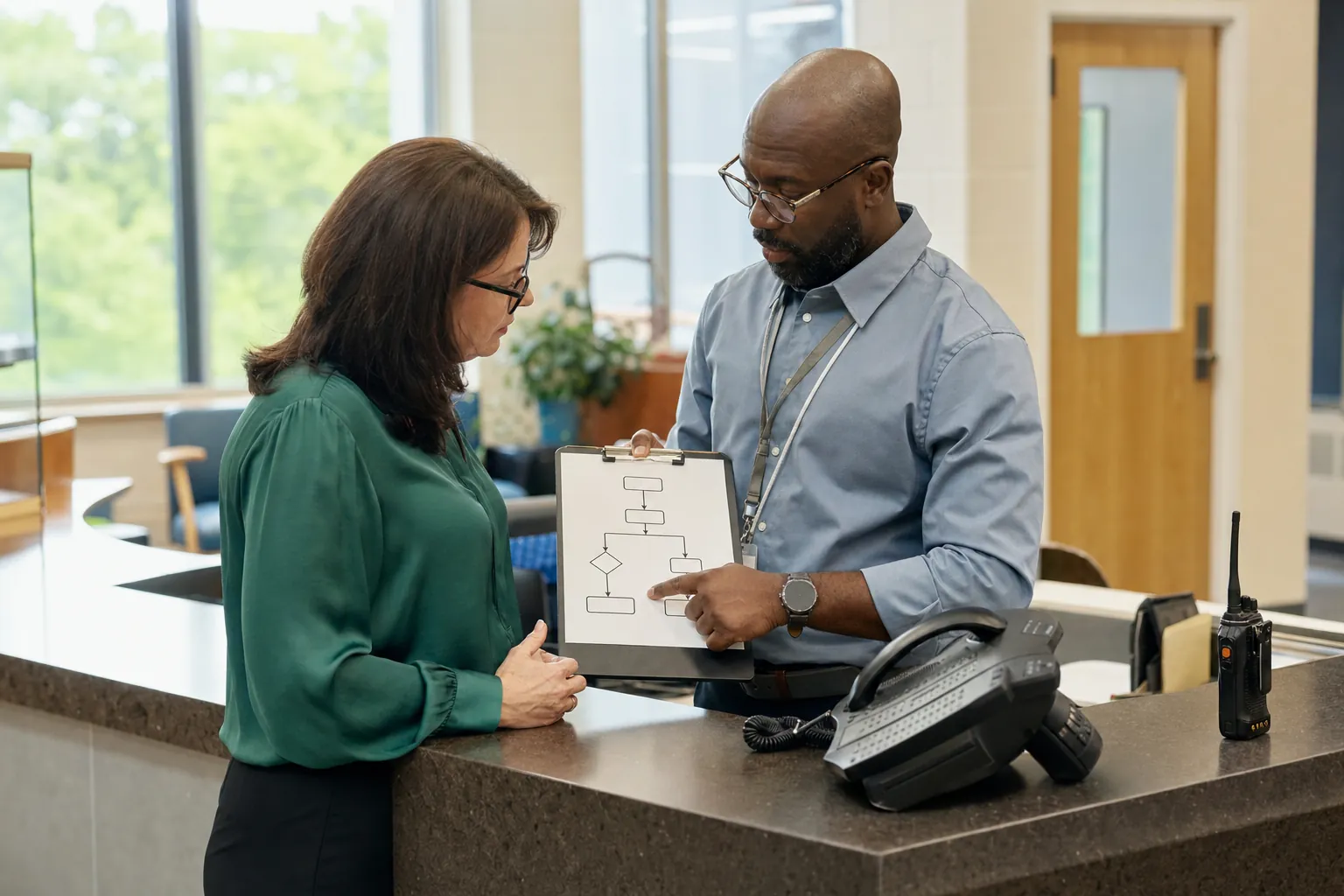
Test a few common scenarios in conversation. A student shares a concern after school. A visitor arrives during a busy transition. A staff member receives information that is not an emergency but cannot wait until next week. Who owns the next step? What is documented? Who is informed? Where can the process stall? A short tabletop exercise can uncover more than a long policy review.

Include student connection in the review
A safe school is not only one with controlled entry and clear procedures. It is also one where students know who will listen, adults follow through, and concerns can surface early. The Centers for Disease Control and Prevention describes school connectedness as students' belief that adults and peers care about their learning and about them as individuals.
That belongs in an audit because belonging and readiness reinforce each other. Ask whether students know trusted adults, whether reporting a concern feels possible, whether adults have a way to respond without dismissing the person raising it, and whether the school can see patterns before they become bigger problems. Procedures are necessary. So is the trust that allows people to use them.
This does not mean every safety concern has the same response or that boundaries become less clear. It means the school considers how clarity, dignity, accessibility, and follow-through affect the willingness to speak up. The guide to school safety measures offers a useful companion perspective on keeping those daily protections practical and people-centered.
Turn findings into a short action plan
The audit is useful only if it leads to follow-through. Resist the urge to fix everything at once. Group findings into a short list of actions, beginning with issues that create the greatest risk of confusion or leave people without a clear next step. A better visitor sign-in process, current contact list, clear after-school procedure, or communication backup can matter more than a long list of vague goals.
For every action, name five things: the issue, why it matters, the person responsible, the support needed, and the date the team will check progress. Keep the language plain enough that the owner can explain it to a colleague. An action that has no owner or review date is a note, not a commitment.
Share appropriate improvements with the people who will carry them. Staff are more likely to take a new routine seriously when they can see the reason behind it and know that the review led to something concrete. Families and students do not need every internal detail, but they benefit from clear, steady communication about changes that affect them.
Return to the audit before the next hard moment
Schedule the next review while the current one is still fresh. A full audit is useful at least annually, and shorter walkthroughs can revisit high-traffic routines throughout the year. Return to the work after drills, incidents, staffing changes, building changes, new local guidance, or any repeated point of confusion.
Look for evidence of improvement. Did people receive the message? Can a new staff member explain the routine? Did the handoff work during a busy period? Were students and families given a clear way to ask questions? An audit should help a school learn over time, not merely prove that a review occurred.
How Dr. Spells can help schools use what they find
Some teams can carry the audit forward internally. Others need a focused conversation to sort through findings, build shared ownership, or connect readiness work to trust, communication, and leadership decisions. Dr. Spells' school safety training gives larger groups practical perspective and common language for the work.
When leaders need to apply that conversation to a live challenge, school safety consulting offers a closer look at the setting, the people involved, and the next responsible move. Leaders who need focused support around difficult decisions can also explore leadership coaching for educators. For a conversation shaped around the school or district in front of you, start a booking inquiry.
Frequently asked questions
Questions leaders ask before they begin.
What is a school safety audit?
A school safety audit is a structured review of the routines, spaces, communication, roles, and relationships that affect readiness. It helps a school identify where everyday practice is clear, where it depends on assumptions, and which improvements should be owned and followed through.
What should a school safety and security audit cover?
It should review the everyday conditions that shape readiness: entry and visitor routines, supervision, communication, reporting, emergency roles, staff and student support, accessibility, and the way the school follows through on what it learns. The goal is to understand how the full system works in practice, not only to inspect equipment.
Who should be involved in a school safety audit?
Include the people who see the school day from different angles: school and district leaders, front-office staff, educators, support staff, facilities and transportation teams, counselors, and local partners with a real role in the work. Thoughtful student and family perspective can also reveal gaps adults may miss.
How often should a school conduct a safety audit?
A full review is useful at least once a year. Return to it after a drill, incident, major building or staffing change, new local guidance, or a pattern of confusion in a daily routine. Shorter walkthroughs can focus on arrival, dismissal, events, and other high-traffic moments throughout the year.
What should happen after a school safety audit?
Turn findings into a short, owned action plan. Name the issue, the reason it matters, the person responsible, the support needed, and the date the team will check progress. A useful audit does not end with a report. It creates visible follow-through.
Related reading
Keep the work moving.
School Safety Measures That Protect Learning, Too
A practical framework for choosing, testing, and improving school safety measures without losing sight of the people they serve.
Read the guide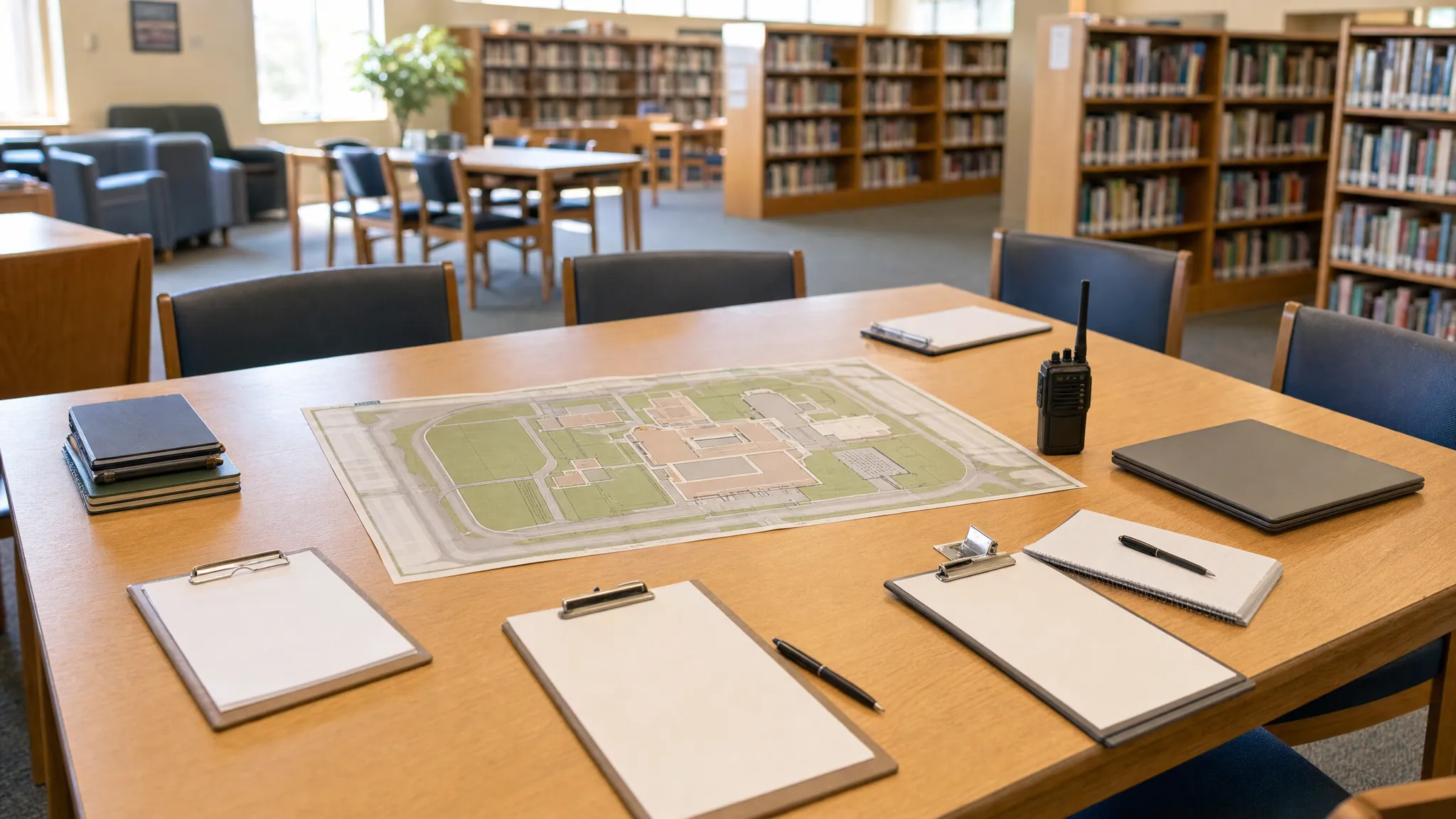
How to Build a School Safety Plan That Works
A step-by-step guide for school leaders building a safety plan people can understand, practice, and improve.
Read the guide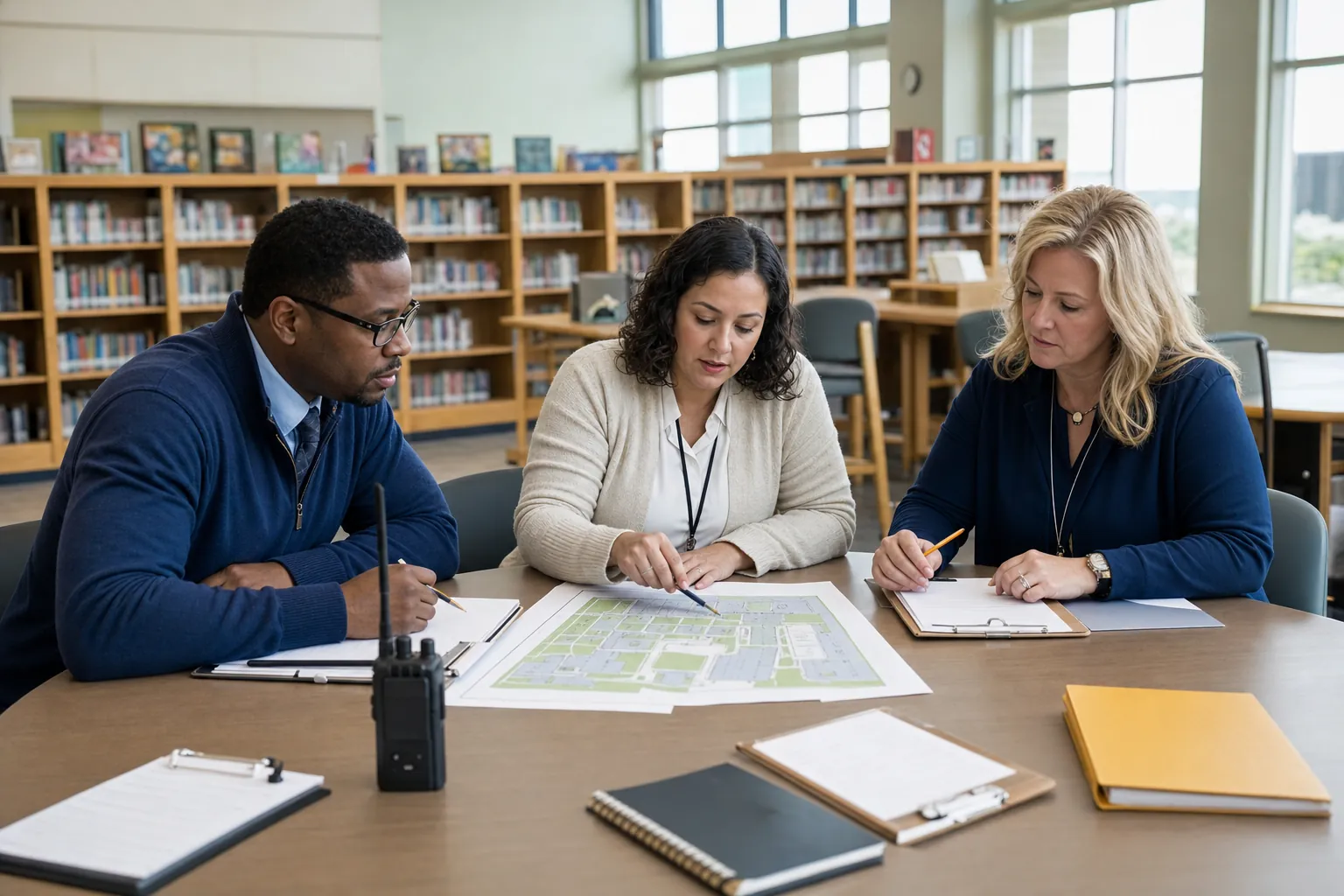
A School Safety Checklist for the Work That Matters
A practical school safety checklist for reviewing routines, communication, access, connection, and follow-through.
Read the guide