
A school safety plan is not a binder to complete once and shelve. It is a shared way of preparing people to make sound decisions, communicate clearly, and protect learning when the day does not go as expected.
The best plans make the next step easier to see. They give adults clarity without pretending every situation can be scripted. They help students and families understand what to expect. They bring partners into the conversation before urgency takes over. Most of all, they connect preparedness to the conditions that help students learn: steady routines, trusted relationships, and adults who know how to respond with care.
Every school and district has its own building, community, local requirements, and history. This guide is not a replacement for local policy or emergency direction. It is a practical framework for building a plan people can use, test, and improve together.
1. Bring the right people to the table
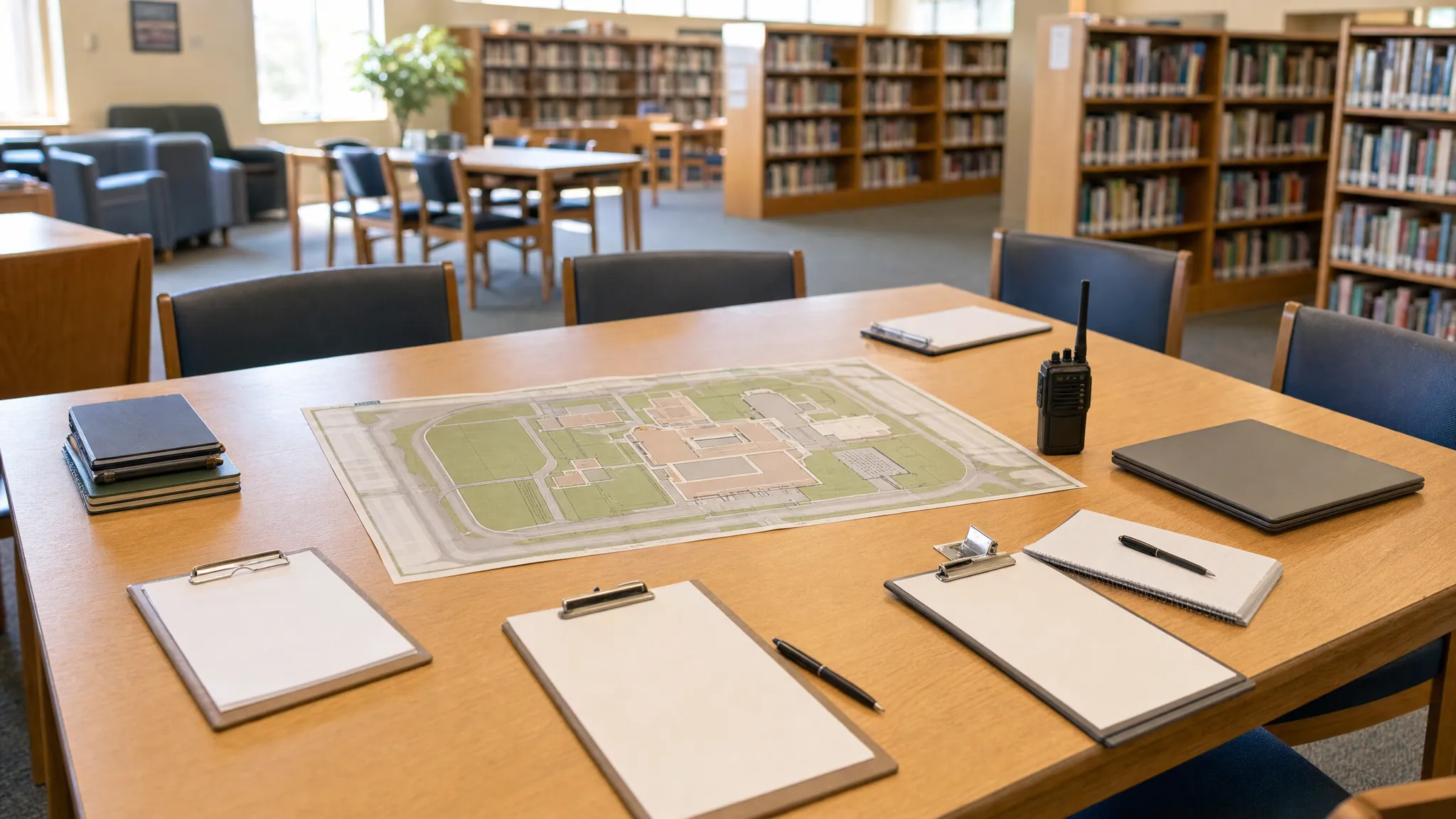
A plan written by one office rarely reflects the full school day. Start with a planning team that sees the campus from different angles: school and district leaders, teachers, support staff, facilities and transportation teams, counselors, school resource or safety staff, and local emergency partners where they have a role. Families and students can also identify blind spots adults may miss, especially around arrival, dismissal, reporting concerns, and how communication is received.
The SchoolSafety.gov foundational elements place collaboration at the center of strong school safety work. That is practical, not ceremonial. The people responsible for carrying out a plan need an early chance to explain what is realistic, where handoffs become unclear, and what support they need.
Give the group a clear charge. Decide who can approve changes, who gathers information, who keeps the plan current, and how feedback will move from staff to decision-makers. A small, active team with clear ownership is more useful than a large committee that meets once and disappears.
2. Walk through an ordinary school day
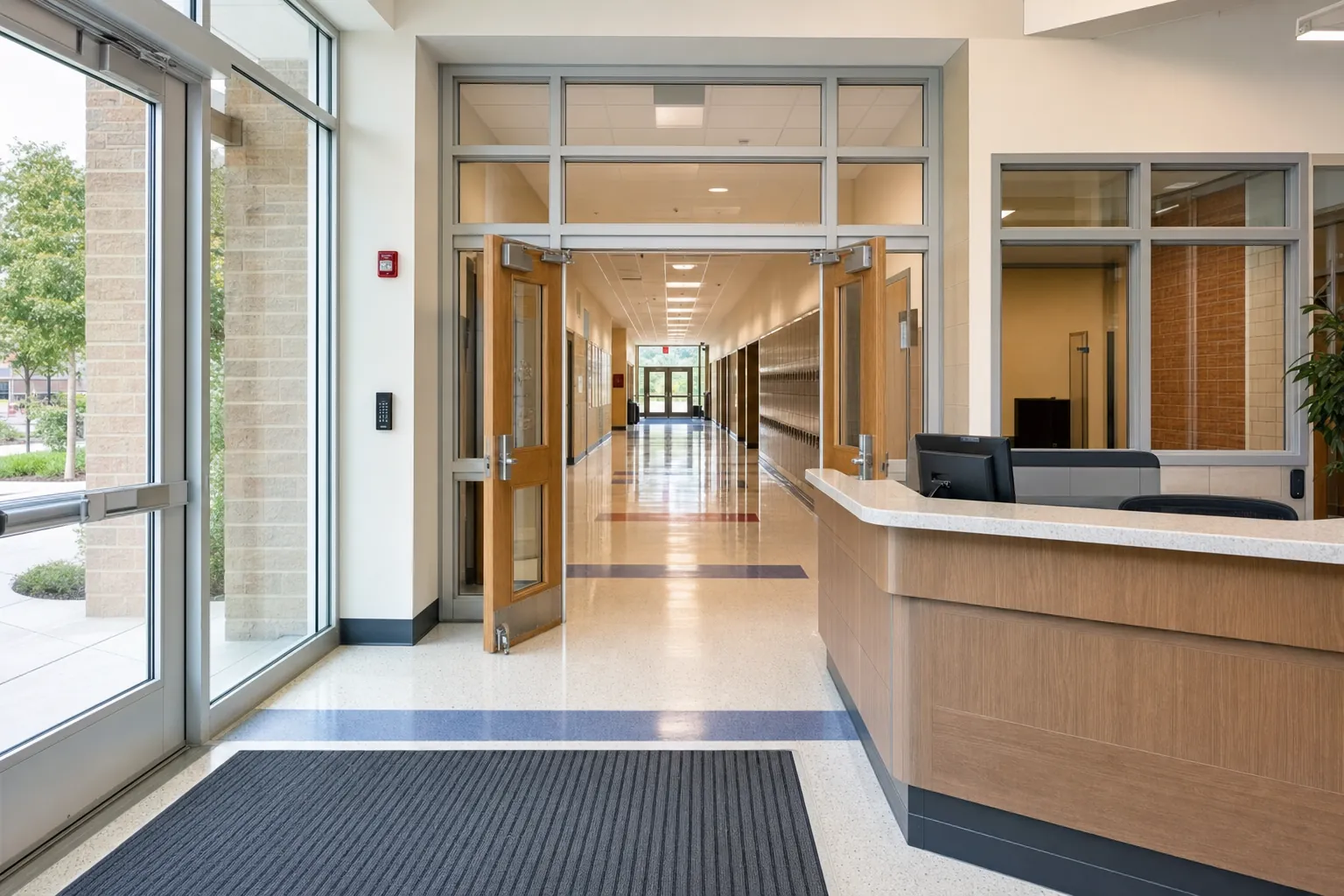
Before listing threats or buying tools, look closely at the rhythms that already shape the building. Walk the campus at arrival, passing periods, lunch, recess, dismissal, events, and after-school activities. Notice where adults are present, where visitors enter, where communication slows down, and which routines depend on one person remembering every detail.
A useful walkthrough asks simple questions. How does a substitute teacher learn the day’s procedures? Who notices a student waiting outside after a late bus? What happens when a family member arrives during a high-traffic period? How does a staff member share a concern that may not rise to an emergency but still needs attention? The answers reveal the real plan, whether or not it is written down.
3. Assess risks without losing sight of people
Schools prepare for many kinds of disruption: weather, medical needs, transportation problems, threats, conflict, building issues, and concerns that surface through student behavior. A thoughtful assessment considers the likelihood of a concern, its potential impact, the people most affected, and the protections already in place. It also distinguishes between a risk the school can reduce and one it must be ready to manage.
The U.S. Department of Education’s school emergency planning guidance emphasizes identifying local hazards and needs before setting goals and procedures. That keeps a plan rooted in the school’s actual context instead of a generic checklist.
Use this work to identify practical gaps: an unclear visitor process, a contact list no one has tested, a communication tool that only a few people know how to use, or a transition that leaves students without visible adult support. The goal is not to turn every concern into a crisis. It is to see what deserves a clearer safeguard.
4. Turn broad concerns into clear goals
“Improve safety” is not a plan. A stronger goal describes what the school wants people to be able to do. For example, a school may want every adult to know how to report a concern, every family to know how emergency messages will be shared, or every program leader to have a reliable student-accounting routine.
Write goals in language the people closest to the work can recognize. Then name the steps, owner, resources, and review date for each one. A good goal gives the team a way to notice progress. It also prevents the plan from becoming a long list of tasks with no shared purpose.
For leaders building the underlying safeguards, the companion guide to school safety measures can help turn planning goals into practical daily routines.
5. Make roles and communication unmistakably clear
Under pressure, people should not have to search for the right person or translate vague instructions. The plan should define who leads key decisions, how information moves, how people are accounted for, and who communicates with families, district leaders, and community partners. It should also identify backups, because a plan that works only when one person is present is fragile.
Keep the core plan concise. Supporting checklists can hold detail, but every adult should be able to find the basics quickly: where to go, how to get help, what to communicate, and how to confirm that students and colleagues are safe. Use plain language. Test whether a new staff member could understand it without an interpreter standing beside them.
Communication needs the same care. Decide which channels are used for urgent updates, routine reminders, and family messages. Agree on who approves what can be shared. Clear expectations before an incident reduce the chance that hurried messages create more uncertainty.
6. Practice the plan to learn from it
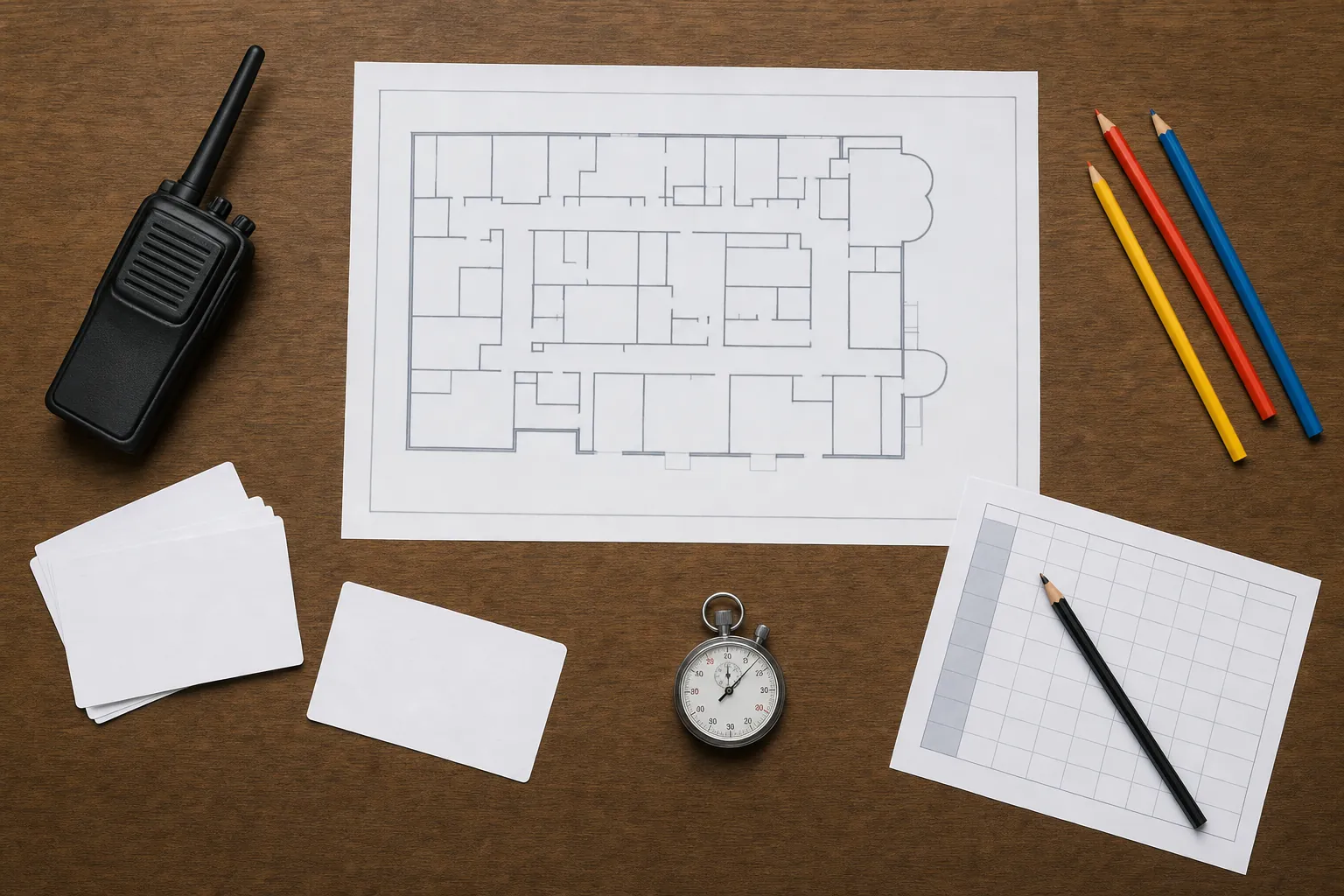
A drill is useful only when it teaches the school something. Before practicing, explain the purpose, choose an appropriate scenario, and tell participants what feedback will be collected. Afterward, ask what worked, what caused confusion, and what one improvement should happen before the next exercise.
Practice should be calm and age-appropriate. The purpose is to build familiarity, not fear. Schools also need to consider the needs of people who may have trauma-related concerns, disabilities, language needs, or different transportation arrangements. A procedure is not complete if it works only for the easiest scenario.
Simple tabletop discussions can be just as valuable as full exercises. Put the right people in a room, walk through a realistic decision, and identify where information, authority, or support gets stuck. Those conversations help staff develop shared judgment, which no written document can create on its own.
After each practice, capture feedback while the details are fresh. A short debrief can ask where people hesitated, which message arrived too late, whether students had the support they needed, and what a new staff member would have found confusing. Make the follow-up visible: name the change, assign it to someone, and report back when it is complete. People take practice more seriously when they can see that their observations shape the next version of the plan.
It also helps to vary the people involved over time. A leadership team may notice a decision gap that teachers do not see. A front-office team may identify a visitor or communication issue that is invisible during a classroom drill. Transportation, food-service, and after-school staff can point out the handoffs that happen before or after the main school day. The plan becomes more dependable when the school tests it through the experience of the people who will use it.
7. Plan for connection and recovery, not only response
Safety work is not finished when the immediate moment passes. A school needs a plan for accounting for people, communicating with families, supporting staff and students, and returning to learning with care. Recovery should be part of the initial planning conversation, not an afterthought once everyone is exhausted.
Connection also belongs in prevention. The Centers for Disease Control and Prevention describes school connectedness as students’ belief that adults and peers care about their learning and about them as individuals. When students trust adults, they are more likely to ask for help and share concerns early. Clear procedures and strong relationships are not competing approaches. They reinforce one another.
That is why a school safety plan should include reporting pathways that are understandable, respectful, and followed through. Students, families, and staff need to know where to raise a concern and what kind of response they can expect.

8. Review the plan before the next hard moment
Set a regular review date, at least once each year, and return to the plan after a drill, an incident, a building change, a staffing shift, or new guidance. Keep track of changes made and why. That record helps future leaders understand the decisions behind the plan instead of starting over each time responsibilities change.
A short scorecard can keep the review honest. Are contact lists current? Do communication tools work? Are high-traffic areas supervised? Can staff explain their roles? Are students and families clear about how to raise concerns? Have partners been included in the conversations they need to join? Choose one or two improvements, assign an owner, and revisit the work on a real date.
For a broader look at the national context, explore these school safety statistics. The numbers do not describe every school, but they can help leaders ask better local questions about preparedness, prevention, and connection.
How Dr. Spells helps schools put the plan to work
Dr. Spells brings experience in education, public safety, law, and policy to conversations that require both candor and care. His school safety training helps leaders and staff move from concern to clearer shared responsibility, without treating safety as separate from learning.
Schools that need a focused leadership conversation can also explore coaching and consulting support. For teams looking for a practical foundation to carry forward, A Necessary Evil: School Safety is available as a book, course, and learning experience. When the next step is a conversation tailored to your people and setting, start a booking inquiry.
Frequently asked questions
Questions leaders ask when building a plan.
What should a school safety plan include?
A useful school safety plan identifies the people responsible for decisions, the risks the school is preparing for, how the school communicates, how students and staff are accounted for, and how the community recovers after a disruption. It should also explain how the plan will be practiced and reviewed.
Who should help create a school safety plan?
The planning group should include school and district leaders, educators, support staff, facilities and transportation personnel, mental-health partners, and local emergency partners where appropriate. Students and families can also offer essential perspective when their involvement is thoughtful and age-appropriate.
How often should a school safety plan be updated?
Review the plan at least once each year, then revisit it after a drill, an incident, a major staffing change, a building change, or new local guidance. A plan gets stronger when the people using it have a regular way to identify what needs to improve.
How can a school practice its safety plan without causing fear?
Keep practice calm, specific, and appropriate for the people involved. Explain the purpose, give clear instructions, collect honest feedback, and make one or two practical improvements afterward. The goal is readiness and trust, not a dramatic performance.
Related reading
Keep the work moving.
School Safety Measures That Protect Learning, Too
A practical framework for choosing, testing, and improving school safety measures without losing sight of the people they serve.
Read the guide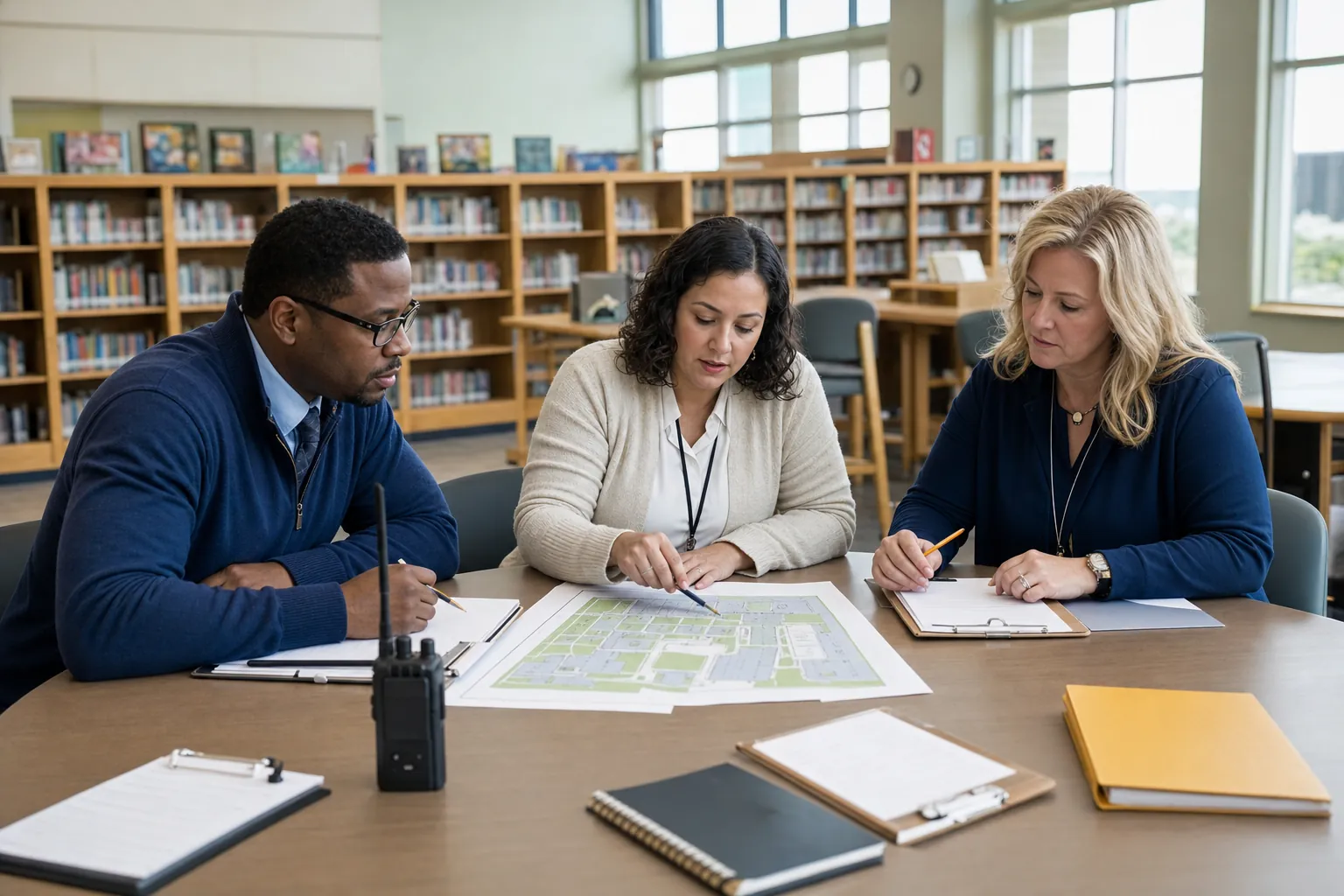
A School Safety Checklist for the Work That Matters
A practical school safety checklist for reviewing routines, communication, access, connection, and follow-through.
Read the guide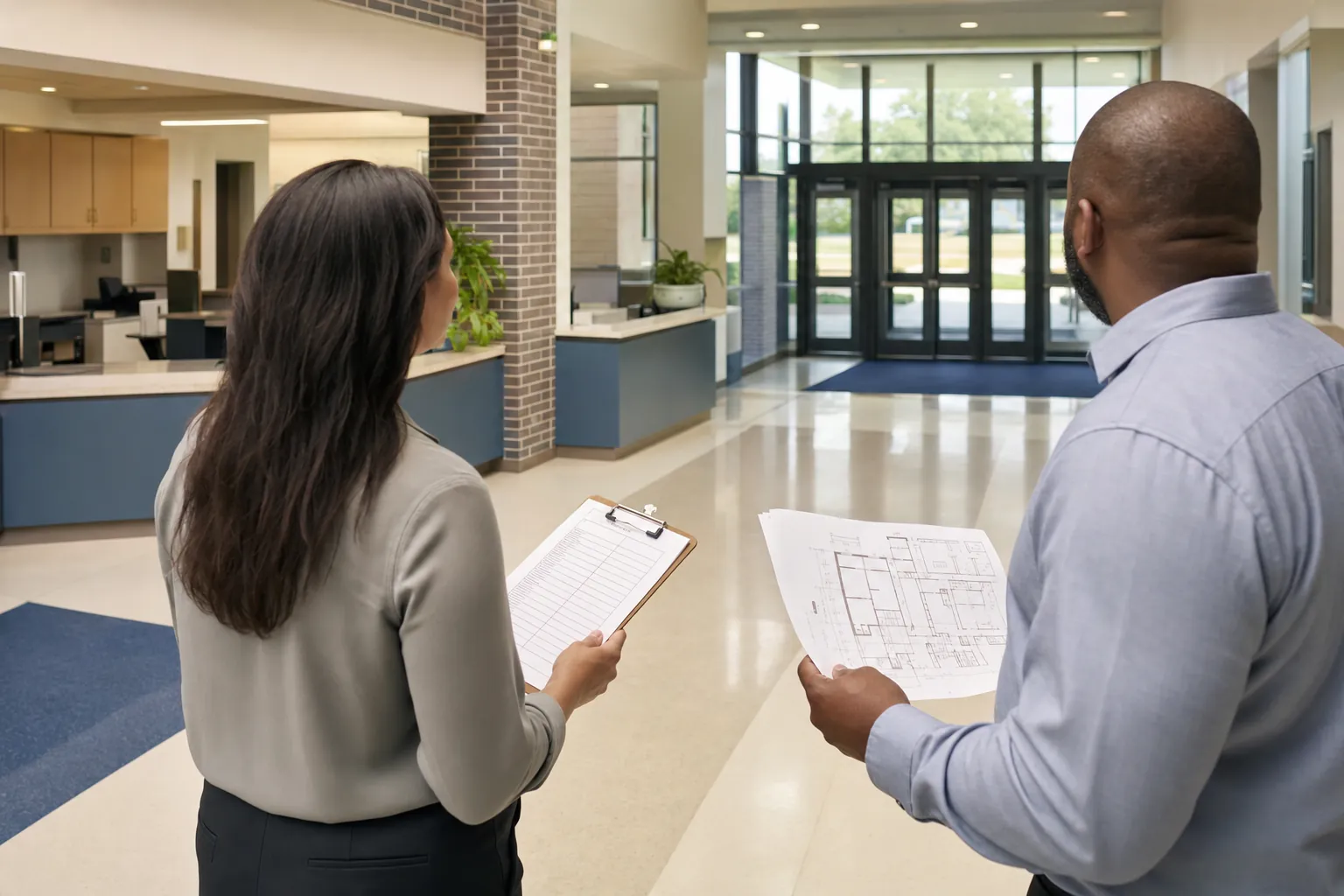
How to Conduct a School Safety Audit
A practical school safety audit process for reviewing routines, spaces, communication, and follow-through.
Read the guide