
Improving mental health in schools is not one program, one assembly, or one person’s job. It is the daily work of making school feel safe, predictable, connected, and responsive, while ensuring students can reach qualified help when they need more than a school can provide.
School leaders do not need to become clinicians to make a meaningful difference. They do need a shared way to notice concerns, strengthen protective relationships, reduce avoidable stress, and connect students and families to the right support. This guide focuses on those practical leadership choices. It is not clinical, legal, or emergency guidance. When there is an immediate risk of harm, follow local emergency procedures and the school’s established response plan.
Start with belonging, not a campaign
Students are more likely to ask for help, participate in learning, and recover from setbacks when they believe adults and peers care about them. The CDC describes school connectedness as the sense that people at school care about students’ learning and well-being. Its current guidance identifies connectedness as a protective factor for student mental health and well-being.
That gives leaders a useful starting point. Instead of beginning with a slogan, examine the experiences that tell a student whether they belong: how adults greet them, whether a concern reaches someone who responds, whether discipline is fair and understandable, whether classrooms have predictable routines, and whether students can identify at least one trusted adult.
Connection is not soft or separate from safety. A student who trusts an adult is more likely to share a problem early. A staff member who knows a student well is more likely to notice a change. The same everyday relationships that help students learn can make it easier to prevent isolation and respond before a concern becomes a crisis.

Make support easy to find and use
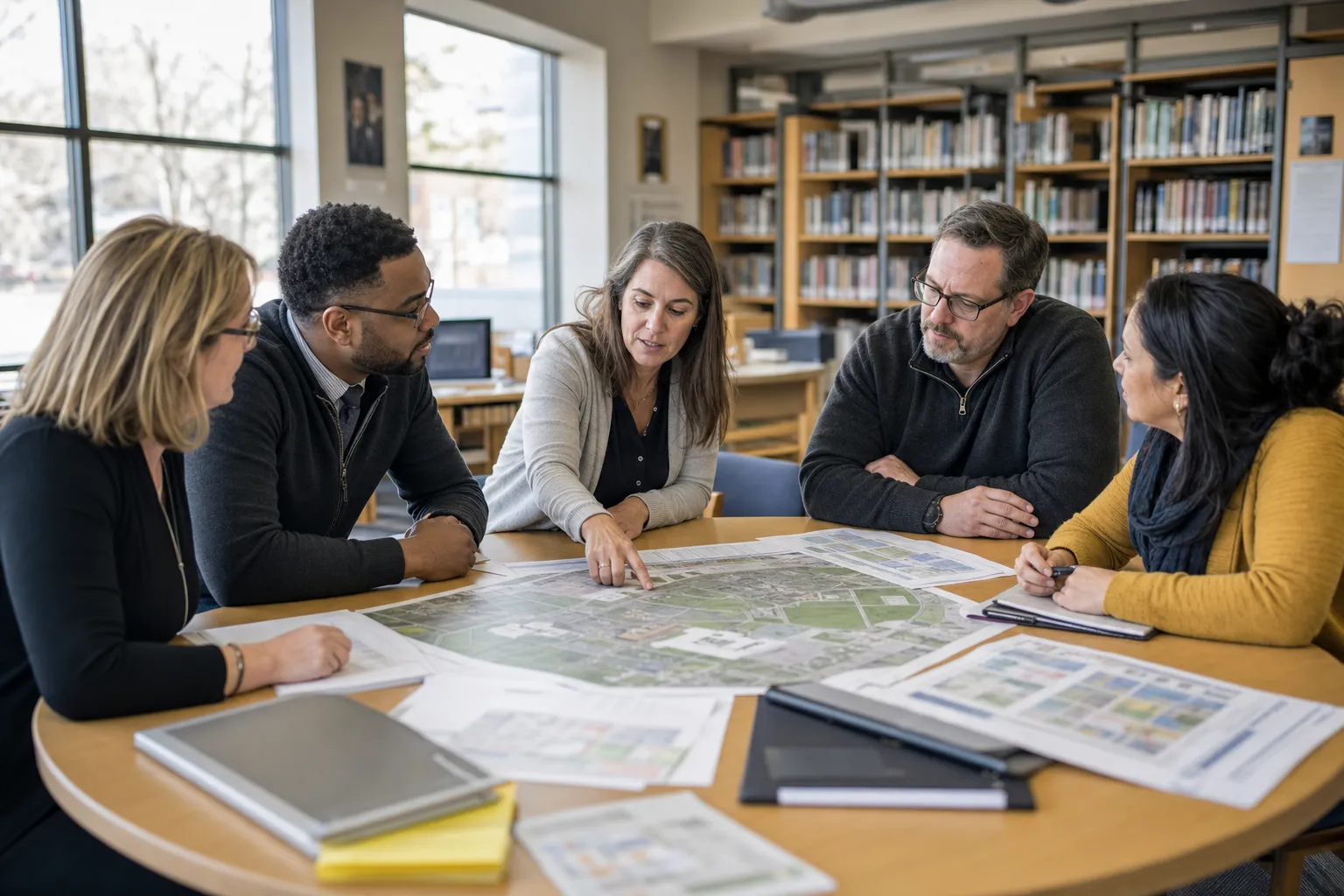
A school may have counselors, social workers, community partners, and referral lists, yet students and families can still be unsure what happens after they raise a concern. Map the actual path. Who can a student approach? What should a teacher do when a student seems distressed? Who contacts a caregiver? How are students connected to qualified services? What happens when the usual person is unavailable?
Clear pathways should distinguish an immediate emergency from a concern that needs prompt support. They should also be understandable to students, staff, and families without a long policy manual. The U.S. Department of Education’s school mental-health resource collection emphasizes both supportive school environments and connections to programs and services that address students’ needs.
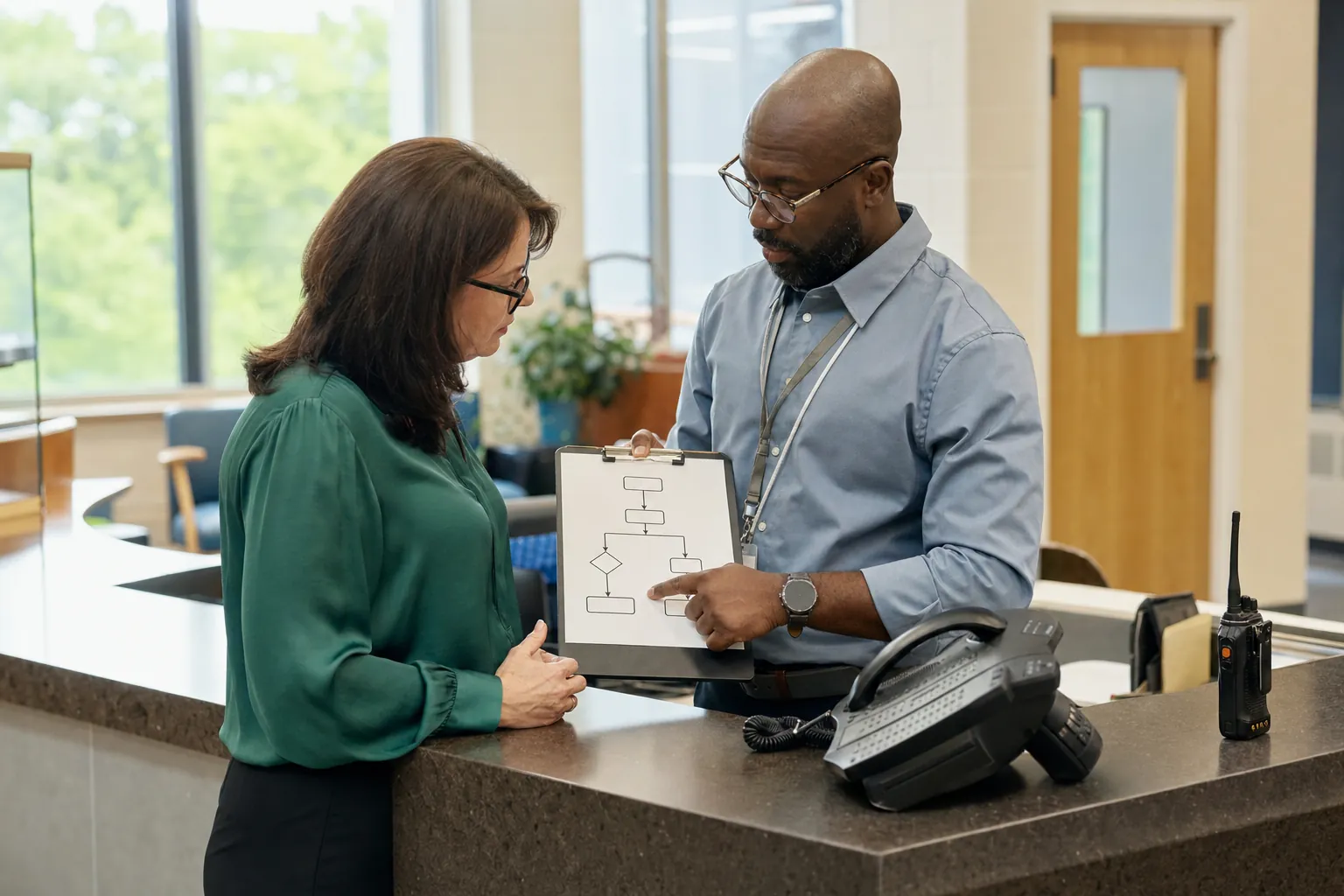
Review the gaps that commonly break a handoff: a student worries about getting someone in trouble, a teacher is unsure what to document, a family has trouble reaching the school, or a referral is offered without a warm connection. A short, practiced process is more useful than a perfect diagram no one can follow during a hard day.
Use the school’s crisis communication plan and school safety plan as adjacent systems, not substitutes. They clarify who communicates and how a school responds. Student-support pathways clarify how concerns are heard, assessed, and connected to appropriate help.
Give every adult a practical role
Teachers, front-office staff, coaches, bus drivers, and activity leaders each see a different part of a student’s day. They do not need to diagnose a condition or provide therapy. They do need confidence in a few essential moves: notice meaningful changes, listen calmly, avoid promising secrecy, document what policy requires, and connect the concern to the people trained to respond.
Training works best when it is specific to the setting. Walk through a realistic example, show the reporting route, name the after-hours or backup process, and make room for staff questions. The CDC recommends professional development that helps educators build relationships and collaborate with families as part of a connected school environment.
Leaders should also protect staff from the false choice between doing nothing and carrying a concern alone. A well-designed process gives adults a next step, gives students a consistent response, and gives qualified professionals the information they need. That is a more responsible system than asking individual educators to improvise.
Build predictable, respectful daily routines
Students experience well-being through ordinary moments: arrival, transitions, classroom expectations, meals, dismissal, activities, and the way adults handle conflict. Predictability can lower unnecessary stress because students know what to expect and where to go when a routine changes. Respect matters because a student is more likely to stay engaged when correction preserves dignity.
This does not mean avoiding standards or consequences. It means making expectations clear, applying them consistently, and using responses that help students repair, re-enter, and learn. CDC guidance on restorative practices notes that relationship-building and repair can support a safer, more supportive learning environment. Leaders can use that principle to ask better questions about discipline, attendance, and conflict: what happened, who was affected, what support is needed, and what restores a workable path forward?
For classroom-level choices, the classroom safety guide offers practical questions about routines, relationships, communication, and accessibility. For a wider review of whether those expectations work across the school day, a school safety audit can reveal where a written process breaks down in practice.
Include students and families in the work
Adults cannot see every pressure a student carries, and families may not know what support is available at school. Create regular, appropriate ways to hear from both. Student listening sessions, advisory conversations, climate surveys, family meetings, and accessible communications can reveal whether support feels real, whether reporting routes are understood, and where trust has frayed.
Listening does not mean collecting feedback without acting on it. Close the loop. Share what the school heard, what can change now, what needs more work, and where people can get help. When privacy prevents a detailed answer, a respectful acknowledgement still matters. It shows that raising a concern leads somewhere.

Review the system before a crisis tests it
Set a regular review cycle. Look at the support pathway, training completion, referral follow-through, climate feedback, attendance patterns, and points where staff or families report confusion. Ask whether students who may feel isolated are being heard, including students with disabilities and students affected by bias, harassment, or exclusion. The goal is not to produce a flawless scorecard. It is to identify the next improvement with a clear owner and date.
Practice conversations as well as emergency procedures. A short tabletop discussion can test how a concern moves from a classroom to the support team, how family communication is handled, and what happens if key staff are unavailable. The guide to emergency drills for schools explains why smaller, purposeful practice often surfaces a useful gap before a large exercise is needed.
How Dr. Spells helps schools strengthen the conditions for well-being
Dr. Spells brings experience across education, public safety, law, policy, leadership, and community work to the conditions that shape trust and readiness. His school safety training helps teams build shared understanding around communication, connection, and responsible follow-through.
For a closer look at how routines, roles, and communication work in a specific setting, a school safety assessment can help leaders identify what is clear and what needs attention. For sustained work around a live challenge, school safety consulting offers a tailored path forward. Teams ready to discuss their setting can start a booking inquiry.
Frequently Asked Questions
Questions leaders ask about student mental health.
What can schools do to support student mental health?
Schools can strengthen daily belonging, make it easier for students to reach trusted adults, equip staff to respond appropriately, connect families to support, and review whether those systems work for every student. Schools should follow local policy and involve qualified health professionals when a student needs clinical care.
What is school connectedness?
School connectedness is a student’s sense that adults and peers at school care about their learning and well-being. It grows through consistent relationships, welcoming routines, respectful communication, and meaningful opportunities to participate.
How can teachers support student well-being without becoming therapists?
Teachers can notice changes, listen without making promises they cannot keep, use the school’s reporting and referral process, maintain clear classroom routines, and connect students with the qualified people responsible for additional support. Their role is essential, but it is not clinical diagnosis or treatment.
When should a school involve emergency services?
When there is an immediate risk of harm, follow the school’s emergency procedures and local guidance. For concerns that are not immediate emergencies, use the school’s established student-support, mental-health, and safety processes so the response is timely and proportionate.
Related reading
Keep the work moving.
School Safety Measures That Protect Learning, Too
A practical framework for choosing, testing, and improving school safety measures without losing sight of the people they serve.
Read the guide
How to Build a School Safety Plan That Works
A step-by-step guide for school leaders building a safety plan people can understand, practice, and improve.
Read the guide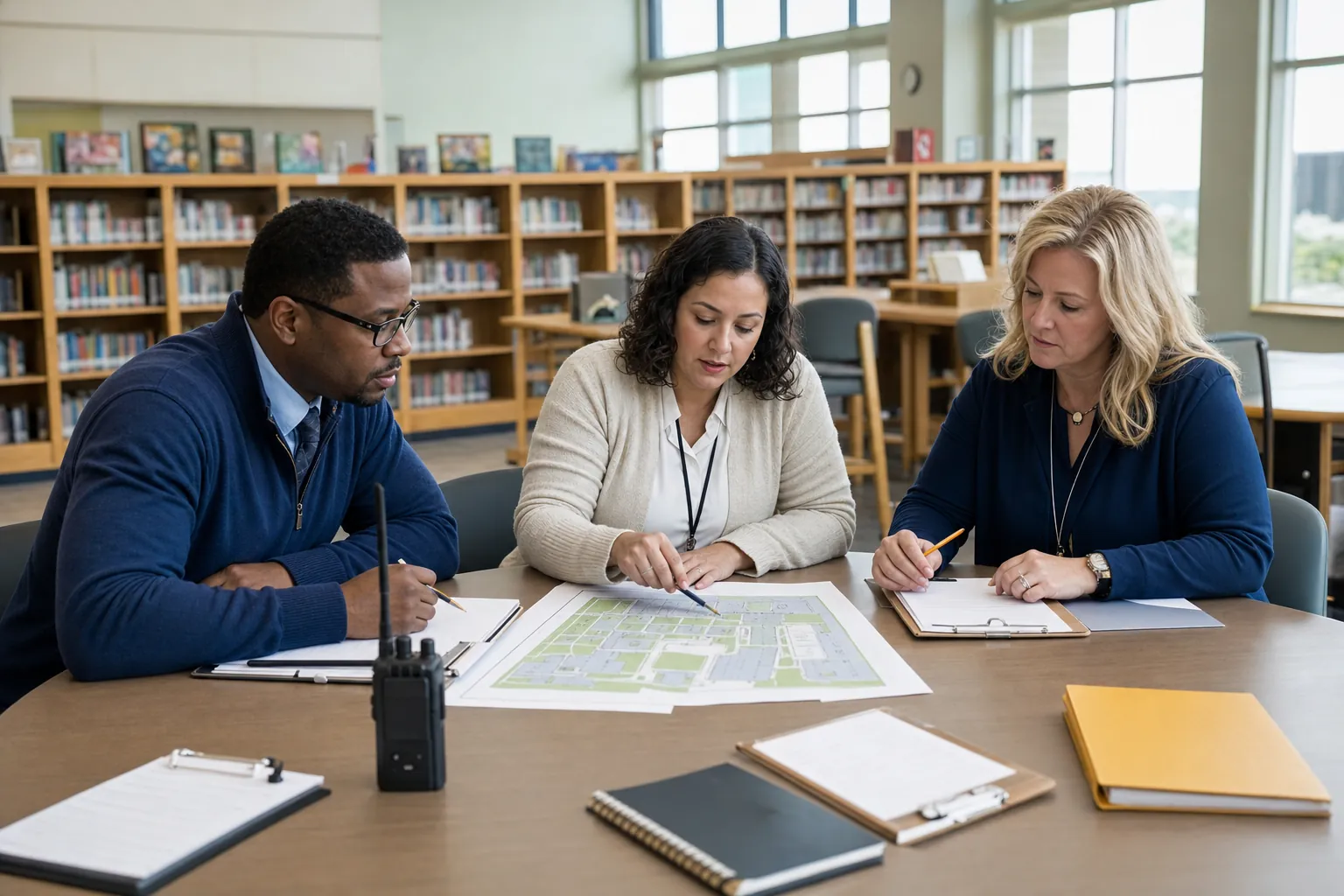
A School Safety Checklist for the Work That Matters
A practical school safety checklist for reviewing routines, communication, access, connection, and follow-through.
Read the guide